Stephen Barkley
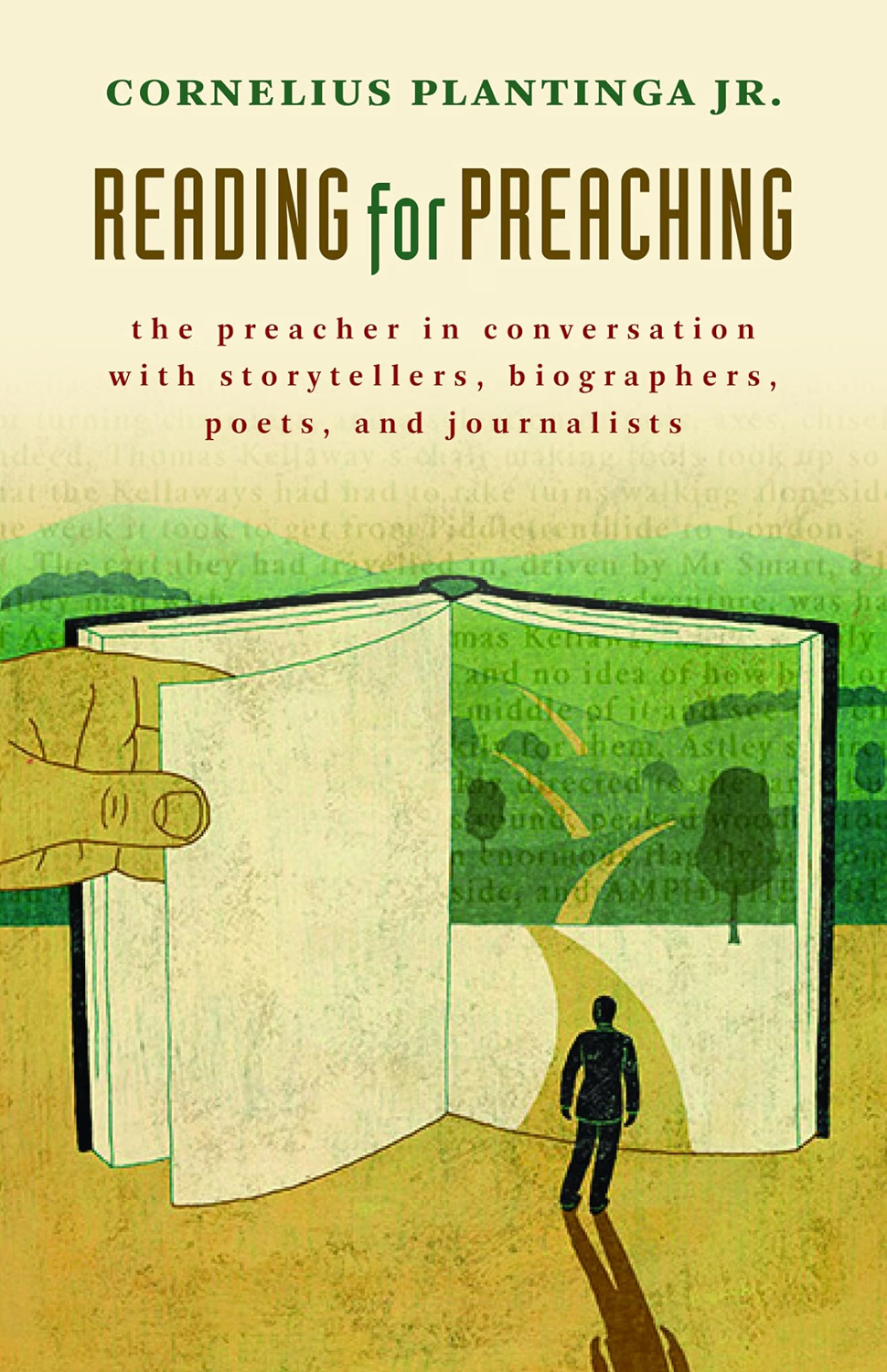
 Does it matter whether preachers read literature? Cornelius Planting Jr. certainly believes so, and argues his case compellingly in this brief meditation on preaching. For Plantinga, literature not only gives preachers sermon illustrations, it leads them deeper into the mystery of human life and emotion, deepening their sense of empathy.
But Reading for Preaching is more than an apology for the fine arts. It’s chock-full of practical advice on crafting and delivering effective sermons, all delivered with wit. For example:
Name-dropping is the self-important person’s low-budget advertising business. (14)
Or listen to this zinger:
Lostness is a great topic for a sermon, but not a great condition for its audience. (46)
My only hesitation with recommending Reading for Preaching is its upper-crust ethos. While Plantinga makes it clear that sermons should be clearly understood by everyone in the audience, he assumes that preachers must be cultured enough to at least read a great novel or two every year. He goes so far as to say:
Ignorance of the literary and fine arts is thus a serious sin of omission. (7)
Lines like that smack of snobbery. Can God not use someone without a grasp of fine literature? Are more modern forms of art, such as film, television, or even reels any less effective in conveying the human condition?
In the end, Reading for Preaching is an unusually wise yet slightly condescending meditation on the confluence of literature and preaching.
Plantinga, Jr. Cornelius. Reading for Preaching: The Preacher in Conversation with Storytellers, Biographers, Poets, and Journalists. Eerdmans, 2013.